
Subscribe TODAY!

Only $75 for an individual to have access to
ALL 53 Lessons for 1 year
or
purchase a subscription for your entire team at
an even lower price.

Click the button below to see our subscription options.

Getting Started

Getting Started Guide
☐Step 1:    Read the Project PARA: Getting Started Guide to understand all Project PARA has to                     offer.

☐Step 2:    Administrator will go to projectpara.com and select your district’s K–12 enrollment                     tier and complete the subscription purchase.

☐Step 3:    The administrator will receive login details to access lessons. 

☐Step 4:    Administrator assigns lessons or schedules support with the Project PARA team.

☐Step 5:    Each paraprofessional will receive an email invitation into Canvas (learning                     management system) to access the online lessons.

☐Step 6:    District may add the optional $10 per student for full progress tracking and reporting.

Lesson Descriptions

Core 1 Professional Learning and Ethical Practice

Lesson 1

Professional & Ethical Conduct in the School Setting

• Understand the ethical practices of paraprofessionals

• Define dignity and confidentiality

• Understand your role in Mandatory Reporting

• Recognize potential for cultural biases

• Understand the chain of command in the school setting

Lesson 2

Who Does What? The Roles of Staff in the School Setting

• Recognize the different roles within the school system

• Understand the paraprofessional’s role with parents

• Review legal documents required to support students: IEPs and BIPs

Lesson 3

Valuing Differences: Roles and Responsibilities in the Educational Teams

• Define related services and their roles

• Understand the paraprofessional’s role with related services

Lesson 4

Professional Boundaries: Working within Your Role

• Understand the expectations and boundaries of the paraprofessional role

• List examples of activities and responsibilities of a paraprofessional

Lesson 5

Professional Boundaries: Navigating Relationships

• Define professional boundaries

• Demonstrate understanding of confidentiality and privacy

• Communicate professionally and appropriately with school personnel and families

• Recognize and respond to ethical dilemmas

Core 2 Learner Development and Individualized Learning Differences

Lesson 6

Foundations of Child Development

• Identify typical developmental milestones

• Recognize atypical development

• Understand educational challenges related to development

Lesson 7

Understanding Disabilities and Their Education Impact

• Understand IDEA eligibility categories

• Recognize how different disabilities influence student learning, behavior, and engagement in the classroom

Lesson 8

Disability Across the Lifespan: Impact on Students and Families

• Define disability across life stages

• Understand academic, social, emotional impacts on students

• Gain awareness of family dynamics, finances, and well-being

Lesson 9

Communication and Learning: Academic and Social Impacts of Language Development

• Describe the different components of speech and language

• Understand how language and speech develop

• Explain the difference between receptive and expressive language

• Describe some of the effects of communication disabilities on academic and social learning

Lesson 10

Every Voice Matters: Supporting Non-Verbal Communication in Education

• Define non verbal communication

• Explain the different types of AAC devices and how they support learning

• Describe ways to support an AAC user in the classroom

Lesson 11

Fostering Independence and Self-Advocacy in Students with Disabilities

• Understand how to encourage student independence

• Give examples of supporting student self-advocacy skills

• Give examples of teaching and reinforcing self-control

Lesson 12

Communicating Effectively: Matching Methods to Student Language Proficiency

• Describe why communication matters

• Describe ways to support communication and conversations in real life situations

Lesson 13

Strategies Supporting Diverse Learners

• Describe why communication skills matter for diverse learners

• Define verbal vs non-verbal and written vs oral modalities

• List key strategies and classroom interventions

Core 3 Special Education Services and Supports in the Learning Environment

Lesson 14

Understanding Supports and Services in Special Education-IDEA Law

• Identify the key principles of IDEA, including FAPE, Least Restrictive Environment (LRE), Individualized Education Programs (IEPs)

• Describe the role of paraprofessionals in implementing IEPs within IDEA guidelines

• Demonstrate understanding of confidentiality and ethical responsibilities under IDEA

• Apply knowledge of IDEA to real-life classroom scenarios

Lesson 15

Understanding Supports and Services in Special Education-IEP Walkthrough

• Understand the differences of supports, related services and specially designed instruction

• Recognize the purpose of each component within the IEP

• Understand paraprofessional responsibilities in key components of the IEP

Lesson 16

Introduction to Special Education Categories

• Understand IDEA eligibility for special education

• Review the 13 IDEA categories

Lesson 17

Foundations of Inclusion in the Classroom

• Describe inclusion and its value

• Understand the paraprofessional role in inclusive practices

Lesson 18

From Support to Independence: Using Proximity and Fading Effectively

• Understand the effects of proximity and fading on student engagement, learning and independence

• List strategies for building student independence

Lesson 19

Building Positive Relationships with Students

• Describe the importance of establishing and maintaining with rapport with learners

• Identify and apply strategies to effectively build and sustain rapport with diverse learners

Lesson - 20P

Understanding Supports and Services in Special Education-IDEA Law

• Identify the key principles of IDEA, including FAPE, Least Restrictive Environment (LRE), Individualized Education Programs (IEPs)

• Describe the role of paraprofessionals in implementing IEPs within IDEA guidelines

• Demonstrate understanding of confidentiality and ethical responsibilities under IDEA

• Apply knowledge of IDEA to real-life classroom scenarios

Lesson - 20E

Understanding Supports and Services in Special Education-IEP Walkthrough

• Understand the differences of supports, related services and specially designed instruction

• Recognize the purpose of each component within the IEP

• Understand paraprofessional responsibilities in key components of the IEP

Lesson - 20HS

Introduction to Special Education Categories

• Understand IDEA eligibility for special education

• Review the 13 IDEA categories

Lesson 20D

Adapting Classrooms and Materials for Student Success (Disability Focus)

• Describe inclusion and its value

• Understand the paraprofessional role in inclusive practices

Lesson 21

Promoting Independence Through Routines and Transitions

• Understand the effects of proximity and fading on student engagement, learning and independence

• List strategies for building student independence

Lesson 22

Health and Safety Essential for School and Support Staff

• Understand the importance of maintaining a safe and healthy school environment

• Identify common health and safety responsibilities in a school setting

• Understand educational and medical terminology used in the school setting

• Demonstrate knowledge of emergency procedures

Core 4 Assessment

Lesson - 23E

IEP Accommodations: What Are They and How to Use Them (Elementary Focus)

• Identify and apply common accommodations used to provide access for elementary students

Lesson - 23HS

IEP Accommodations: What Are They and How to Use Them (High School Focus)

• Identify and apply common accommodations used to provide access for high school students students

Lesson - 24A

Effective Data Collection in Educational Settings (Academic Focus)

• Identify and apply ways to record objective and accurate data for academics goals

Lesson - 24B

Effective Data Collection in Educational Settings – Behavior Focus

• Identify and apply ways to record objective and accurate data for behavioral goals

Core 5 Learner Instructional Supports and Strategies

Lesson - 25E

Strategies for Success: Differentiation, Accommodations, Modifications, and High Leverage Practices (Elementary Focus)

• Define differentiated instruction

• Understand differences between accommodations and modifications

• Describe strategies that can help elementary students with disabilities succeed in the classroom

Lesson - 25HS

Strategies for Success: Differentiation, Accommodations, Modifications, and High Leverage Practices (High School Focus)

• Define differentiated instruction

• Understand differences between accommodations and modifications

• Describe strategies that can help high school students with disabilities succeed in the classroom

Lesson - 26E

Strategies for Success: Differentiation, Accommodations, Modifications, and High Leverage Practices (High School Focus)

• Identify and implement a variety of student engagement strategies appropriate for elementary students

• Recognize the importance of building positive relationships with students

• Understand the use of technology within the elementary classroom

Lesson 26HS

Blending Strategies and Technology for Effective Learning (High School Focus)

• Identify and implement a variety of student engagement strategies appropriate for high school students

• Recognize the importance of building positive relationships with students

• Understand the use of technology within the high school classroom

Lesson 26D-1

Blending Strategies and Technology for Effective Learning (Disability Focus…ADHD, Autism, Sensory)

• Describe the difference between instructional technology and assistive technology

• Identify common assistive and instructional technology tools for students with ADHD, Autism, and Sensory Processing Disorder

• Describe effective collaboration strategies for student success

Lesson 26D-2

Blending Strategies and Technology for Effective Learning (Disability Focus…Intellectual Disability)

• Describe the difference between instructional technology and assistive technology

• Identify common assistive and instructional technology tools for students with Intellectual disabilities

• Describe effective collaboration strategies for student success

Lesson - 26D-3

Blending Strategies and Technology for Effective Learning (Deaf/Hard of Hearing; Visual Impairments)

• Describe the difference between instructional technology and assistive technology

• Identify common assistive and instructional technology tools for students who have hearing and/or vision loss

• Describe effective collaboration strategies for student success

Lesson - 26D-4

Blending Strategies and Technology for Effective Learning (Disability Focus…High School Behavior and ED)

• Describe the educational challenges commonly experienced by students with emotional disabilities

• Identify and explain evidence-based instructional strategies that effectively support high school students with emotional disabilities

• Describe the difference between instructional technology and assistive technology

• Identify common assistive and instructional technology tools for students who have emotional disabilities

• Describe effective collaboration strategies for student success

Lesson 27

Optimizing Instruction: Time Use and Flexible Pacing

• Understand the role of paraprofessional in instructional time management

• Apply strategies for modifying instructional pace and organizational cues

Lesson 28

Fading Supports: Promoting Student Independence

• Describe strategies for providing least intrusive support and fading
support.

Core 6 Social, Emotional, and Behavioral Supports

Lesson 29

Positive Behavior Supports: Promoting Social and Emotional Success

• Recognize and describe observable student behaviors

• Understand common functions of student behavior

• Understand the basics of Functional Behavioral Assessments (FBAs) and the paraprofessional role

• Accurately record and help interpret Antecedent-Behavior-Consequence (ABC) data

Lesson 30

Understanding Behavior as Communication
• Understand all behavior is communication and has a function

• Describe how adult roles and responses will impact the communication of those behaviors

Lesson 31

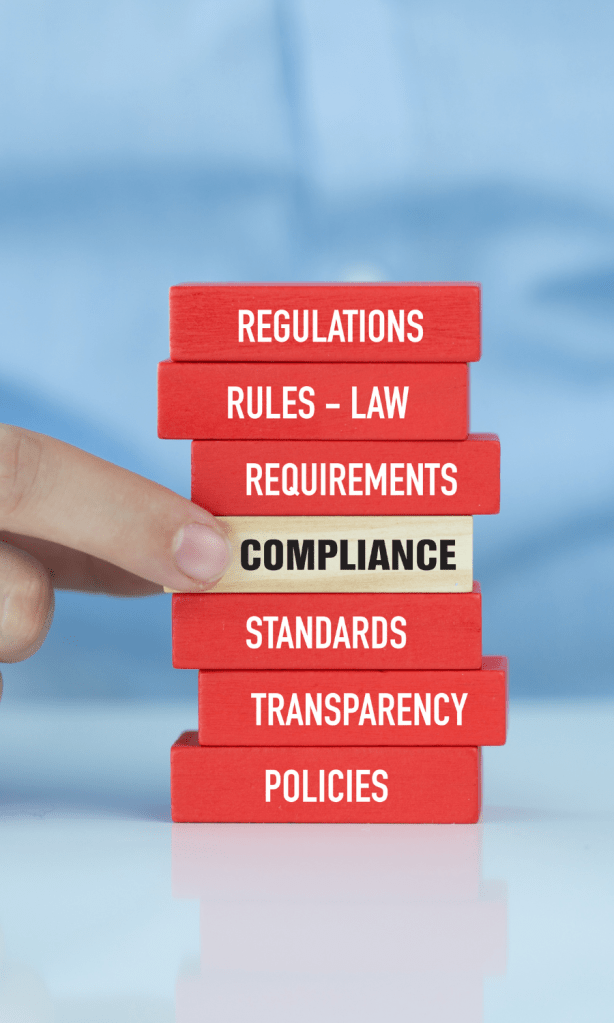
Ensuring Compliance: Legal and Ethical Aspects of Behavior Support

• Understand legal and ethical responsibilities when providing behavioral support

• Recognize the importance of maintaining confidentiality and respecting student dignity

• Understand the limits of the paraprofessional role in behavior support

Lesson 32

Role Modeling for Growth: Paraeducator Contributions to Student Success

• Define role of a positive role model in a school environment

• Explore theories related to role modeling and social learning

• Identify key characteristics and behaviors of effective role models in educational settings

• Recognize how paraprofessional behavior influences students’ actions and attitudes

Lesson 33

Behavior Intervention Plans: Focus on Positive Behavior Supports

• Describe key components of behavior

• Identify and implement PREVENT strategies within a Prevent-Teach-Reinforce (PTR) behavior intervention plan

Lesson 34

Reinforcement Systems in Action: Implementing Individualized Plans from the BIP

• Describe key components of behavior

• Identify and implement REINFORCE strategies within a Prevent-Teach-Reinforce (PTR) behavior intervention plan

Lesson 35

From Plan to Practice: Social-Emotional and Behavioral Supports

• Describe key components of behavior

• Identify and implement TEACH strategies within a Prevent-Teach-Reinforce (PTR) behavior intervention plan

Lesson 36

Creating Safe Spaces: Teaching Routines and Positive Behaviors

• Recognize the relationship of behavior and structured routines in school settings

• Apply specific methods to teach and reinforce safe behaviors across settings

• Develop skills for consistent language use and communication within the
educational team

Lesson 37

Behavior Response Strategies: From Reaction to Redirection-Trauma Informed Approach

• Describe trauma-informed principles in behavioral response

• Understand the role of adult regulation and clean slate approach

• Understand the use and limitations of restraint, seclusion, and blocking

Lesson 38

Behavior Response Strategies: From Reaction to Redirection-Communication Focus

• Describe the academic, social and emotional impacts of challenging behaviors on students and peers

• Recognize and respond to student behaviors using appropriate communication

• Understand the importance of consistency and collaboration in behavior support

Lesson 39

Supporting Social Development through Positive Peer Interaction

• Describe the impact of social skills on classroom climate, peer relationships and academic success

• Identify barriers to social skill development

• Apply evidence-based strategies to support the development of social skills in students including opportunities for peer interaction, conflict
resolution, and cooperative learning

Lesson 40

Resolving Conflict and Building Solutions

• Identify common sources in conflict in educational settings

• Understand the impact of unresolved conflict on students and staff

• Apply effective communication and problem-solving strategies

Core 7 Collaboration with Team Members

Lesson 41

Working Together for Student Success

• Understand the importance of collaboration among staff, families and students

• Recognize the role of paraprofessionals in supporting family-school communication

• Explore a parent’s perspective on their child’s education

• Demonstrate respectful, professional communication practices

Lesson 42

Positive Relationships: Professionalism and Collaboration in Schools

• Define professionalism in the school setting

• Understand the importance of collaboration within school teams

Don't see a topic you want?     Go ahead and mak a suggestion.